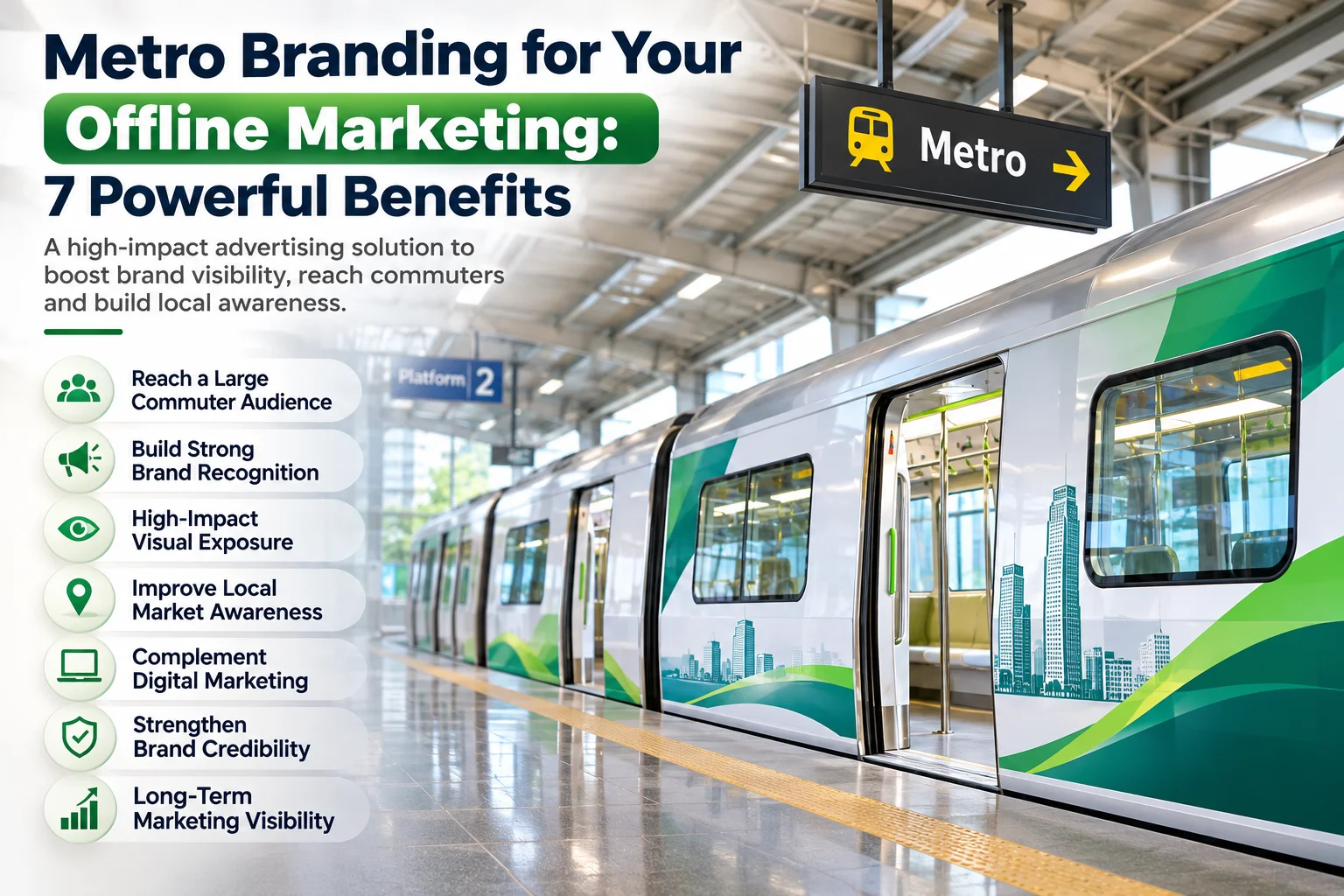
In today’s competitive business environment, brands need more than digital advertisements to capture customer attention. While social media, search engines and online campaigns play an important role in marketing, traditional advertising continues to offer valuable opportunities for building brand awareness. One such powerful strategy is Metro Branding for Your Offline Marketing, which allows businesses to connect with thousands of daily commuters through highly visible advertising placements.
Metro systems are an important part of urban transportation. Every day, people use metro trains and stations to travel to offices, colleges, shopping destinations and business districts. This regular movement creates valuable opportunities for brands to showcase their products and services in public spaces.
From train wraps and station branding to platform advertisements and pillar displays, metro advertising offers different ways to create memorable brand experiences. Hare Krishna Enterprises helps businesses explore offline advertising opportunities that can strengthen their market presence and improve brand recognition.
What Is Metro Branding for Your Offline Marketing?
Metro branding is an outdoor advertising strategy that uses metro trains, stations and associated public spaces to promote a brand, product or service. It helps businesses reach commuters through advertisements displayed in locations they regularly visit.
Unlike digital advertisements that appear on personal screens, metro advertising places brand messages directly within the everyday travel environment. Passengers may notice advertisements while entering stations, waiting for trains, walking through platforms or travelling inside metro coaches.
Metro Branding for Your Offline Marketing can include complete train wraps, interior panels, station signage, platform displays, pillars and other approved advertising locations.
For example, a retail brand launching a new store in a metropolitan city can use station advertisements to increase awareness among people travelling through nearby commercial areas. Similarly, an educational institution can use metro branding to promote admissions among students and working professionals.
The key advantage is that the brand becomes part of the commuter’s daily environment, creating repeated opportunities for visibility and recognition.
Why Is Metro Advertising Important for Modern Businesses?
Consumers encounter hundreds of advertisements every day across websites, mobile applications and social media platforms. As a result, businesses need additional ways to attract attention and establish a recognizable identity.
Metro advertising provides access to a large urban commuter audience. Since metro routes connect residential areas, offices, educational institutions and commercial destinations, brands can reach people from different professional and demographic backgrounds.
Another important factor is repeated exposure. Regular commuters often travel through the same stations and routes. Seeing a brand advertisement repeatedly can improve familiarity and make the brand easier to recognize.
Metro advertising also creates a strong physical presence. A creatively designed train wrap or station advertisement can attract attention beyond the immediate commuter audience through photographs, conversations and social media sharing.
For businesses investing in offline marketing, this makes metro advertising a valuable option to consider alongside outdoor hoardings, bus advertising, auto branding and e-rickshaw promotions.
Different Types of Metro Branding Opportunities
A successful metro advertising campaign begins with selecting the right advertising format. Different placements offer different visibility opportunities depending on the campaign objective, target audience and available inventory.
Metro Train Exterior Branding
<escape> </escape>
Train exterior branding transforms the outside surface of a metro train into a moving advertisement. Large graphics, creative visuals and brand messaging help businesses attract attention across multiple stations and routes.
This format is particularly useful for brands that want strong visual exposure in busy urban areas. Since the train moves between stations, the advertisement can reach commuters and people in surrounding public spaces, subject to the approved route and placement.
Metro Train Interior Advertising
Interior advertising uses approved panels, frames and display spaces inside metro coaches. Passengers can notice these advertisements during their journey, making the format suitable for product promotions, service announcements and brand awareness campaigns.
Clear messaging and attractive designs are especially important because commuters may have limited time to view individual advertisements.
Metro Station Branding
Metro stations offer multiple advertising locations, including approved wall panels, digital displays, entry areas and other promotional spaces.
Station branding can help businesses target commuters travelling through specific commercial, residential or educational locations. It is particularly useful for campaigns focused on local awareness and geographical reach.
Metro Pillar and Platform Advertising
Pillars and platform areas provide additional opportunities for displaying brand messages. These placements can create visibility among passengers while they wait for trains or move through station areas.
The choice of format should depend on the campaign objective, available advertising inventory and the target commuter profile.
7 Benefits of Metro Branding for Your Offline Marketing
Metro advertising offers several advantages for brands looking to strengthen their offline marketing activities.
1. Reach a Large Commuter Audience
Metro systems connect important parts of major cities. This allows businesses to showcase their brands to commuters travelling for work, education, shopping and other everyday activities.
With the right placement, businesses can reach a diverse audience across selected metro routes and stations.
2. Build Strong Brand Recognition
Brand recognition develops through repeated exposure. When commuters see the same brand advertisement during regular journeys, they become more familiar with its name, identity and message.
Metro Branding for Your Offline Marketing helps create these repeated visual interactions through strategically selected advertising locations.
3. Create High-Impact Visual Communication
Metro trains and stations offer large advertising surfaces that support creative visual communication. Businesses can use strong brand colours, attractive graphics, product photographs and concise messages to capture attention.
A professionally designed metro campaign can help a business communicate its identity in a memorable way.
4. Improve Local Market Awareness
Businesses operating in specific cities or regions can select advertising locations according to their target markets. For example, a retail business may focus on stations near shopping districts, while an educational institution may prefer routes connecting student residential areas and campuses.
This helps brands align their advertising presence with their geographical marketing objectives.
5. Complement Digital Marketing Campaigns
Offline and online advertising can work together. A metro advertisement can introduce a brand to commuters, while a website, QR code or social media handle can encourage further engagement.
For example, a campaign can feature a clear brand message and website address, allowing interested commuters to explore the business after noticing the advertisement.
6. Strengthen Brand Credibility
A well-executed presence in a recognized public transportation environment can make a brand appear more established and visible.
For growing businesses, professional metro branding can support their broader image-building efforts and help them compete for attention in busy urban markets.
7. Support Long-Term Marketing Visibility
Unlike short-lived online impressions, physical advertisements remain visible throughout the contracted campaign period. This provides businesses with an opportunity to maintain a consistent marketing presence.
The overall impact depends on campaign duration, placement, commuter traffic, creative quality and advertising frequency.
Which Businesses Should Choose Metro Advertising?
Metro advertising is suitable for businesses that want to reach urban audiences and improve their brand visibility in public spaces.
Retail brands can use metro campaigns to promote new stores, seasonal offers and product launches. Restaurants, shopping centres and entertainment businesses can build awareness among commuters travelling near their locations.
Educational institutions can promote admissions, courses and training programmes through selected metro routes and stations. Real estate companies can use metro advertising to introduce residential and commercial developments to people travelling across targeted areas.
Healthcare providers, financial services, consumer product companies and technology businesses can also explore metro branding to communicate their services to a wider audience.
For B2B businesses, metro advertising may support corporate visibility and brand positioning, particularly when combined with industry-specific digital marketing and business development activities.
However, every campaign should begin with a clear objective. The target audience, location, advertising format and campaign duration should align with the business’s marketing goals.
How to Create an Effective Metro Branding Campaign
A successful campaign requires careful planning rather than simply placing an advertisement in a busy station.
Start by identifying your target audience. Understand where your potential customers travel, which routes they use and which stations are relevant to your business.
Next, select the appropriate advertising format. Train wraps can create a strong visual impact, while station panels and interior advertisements may be suitable for more focused messaging.
Creative design is another important factor. Use recognizable brand colours, readable typography and a clear message. Avoid filling the advertisement with excessive information. Commuters should be able to understand the main message quickly.
You should also establish a realistic campaign budget. Metro advertising costs can vary depending on the city, station, route, format, inventory availability and campaign duration. Request a detailed quotation before confirming your placement.
Finally, measure the campaign’s performance using appropriate indicators such as website visits, QR code scans, enquiry volume, brand search activity and customer feedback. These indicators can help businesses understand how offline exposure contributes to wider marketing objectives.
Why Choose Hare Krishna Enterprises for Offline Advertising?
Selecting the right advertising partner is essential for planning and executing an effective outdoor marketing campaign. Businesses need professional guidance to understand available advertising formats, placement opportunities, campaign requirements and execution processes.
Hare Krishna Enterprises focuses on offline advertising and promotional solutions for businesses looking to strengthen their physical market presence.
From metro branding to other outdoor advertising opportunities, the company aims to help businesses explore suitable ways to communicate with their target audiences through public spaces.
Metro Branding for Your Offline Marketing requires attention to several details, including placement selection, creative design, campaign planning and applicable advertising permissions. Working with an experienced advertising partner can help businesses understand these requirements before committing to a campaign.
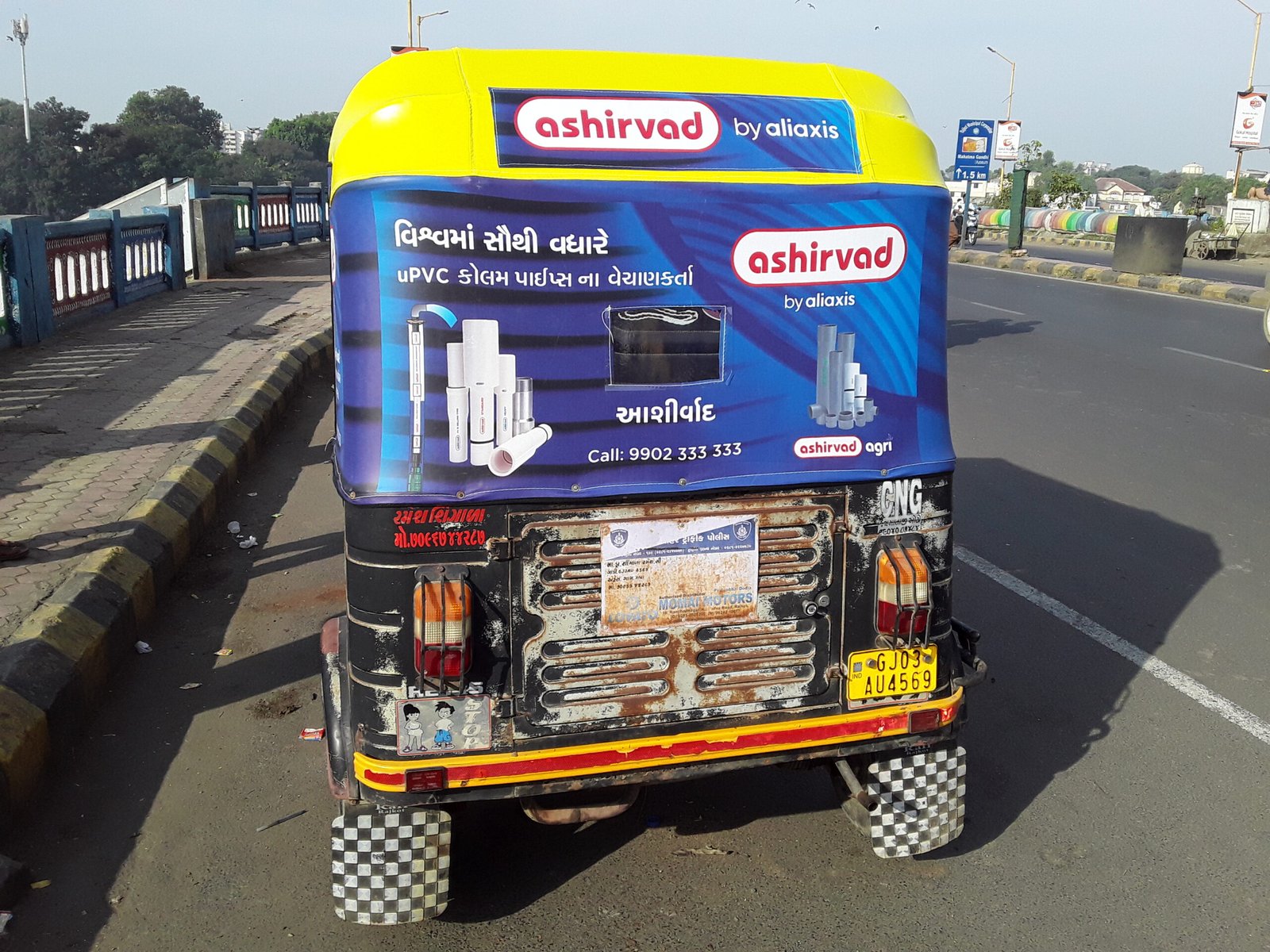
Hare Krishna Enterprises also serves businesses exploring other offline promotional formats, including bus advertising, auto hood advertising, e-rickshaw branding and flex printing. This allows brands to consider different advertising channels according to their marketing objectives and budgets.
Whether you are a growing business planning your first outdoor campaign or an established company looking to expand your advertising presence, discuss your target locations, audience and campaign goals with Hare Krishna Enterprises.
The right advertising strategy can help your brand become more visible, recognizable and memorable in the markets that matter.
Frequently Asked Questions
1. What Is Metro Branding for Your Offline Marketing?
Metro Branding for Your Offline Marketing is an outdoor advertising strategy that uses metro trains, stations, platforms and approved public spaces to promote products and services. It helps businesses reach commuters through visible physical advertisements during their daily journeys.
2. Is Metro Advertising Effective for Brand Awareness?
Yes, metro advertising can support brand awareness by providing repeated exposure to commuters. Its effectiveness depends on advertising placement, campaign duration, creative quality, commuter traffic and the relevance of the target audience.
3. What Are the Different Types of Metro Advertising?
Common formats include exterior train wraps, interior coach panels, station branding, platform advertisements, wall displays and approved digital advertising screens. Availability varies by metro network and advertising permissions.
4. How Much Does Metro Branding Cost in India?
Metro advertising costs depend on the city, station, route, advertising format, placement availability and campaign duration. Businesses should request a customized quotation based on their preferred locations and marketing requirements.
5. Why Choose Hare Krishna Enterprises for Offline Advertising?
Hare Krishna Enterprises provides offline advertising solutions for businesses looking to improve their physical brand visibility. Interested clients can discuss their campaign requirements, preferred advertising formats, target locations and budgets with the company.
6. Can Metro Branding and Digital Marketing Work Together?
Yes, combining metro branding with digital marketing can create a more connected customer experience. Physical advertisements can introduce a brand to commuters, while websites, QR codes and social media platforms can provide additional information and engagement opportunities.
7. Is Metro Branding Suitable for Small Businesses?
Metro advertising can be considered by small businesses depending on their target audience and available marketing budget. Selecting suitable locations, advertising formats and campaign durations can help businesses plan an approach that aligns with their marketing objectives.
Conclusion
In a competitive marketplace, businesses need marketing strategies that create visibility, improve recognition and establish a strong brand presence. Metro Branding for Your Offline Marketing offers an opportunity to connect with urban commuters through strategically placed advertisements across trains and metro stations.
From train exterior branding and interior panels to station displays and platform advertisements, businesses can explore different formats to communicate their message. When combined with creative design, appropriate location selection and digital marketing, metro advertising can become a valuable part of an integrated marketing strategy.
Hare Krishna Enterprises helps businesses explore offline advertising opportunities, including metro branding and other outdoor promotional solutions. If you want to increase your brand visibility and reach more people through impactful offline campaigns, connect with Hare Krishna Enterprises today.
Make your brand visible where people travel every day. Choose Hare Krishna Enterprises and take your offline marketing strategy to the next level.